

1. The World of the Northern Song Dynasty
Where Winds Meet is visually stunning and narratively ambitious. Set during the chaotic twilight of the Northern Song Dynasty, the world of Jianghu is dense, vibrant, and incredibly interactive. Rather than offering a sterile playground filled with generic map markers, Everstone Studio has crafted a living, breathing historical fantasy. NPCs have daily routines, factions war over territory, and dynamic events reshape the regions you explore.
The sheer scope of interaction is what sets this game apart. You can learn unique martial arts from wandering hermits, start a career as an architect to build elaborate structures, or become a doctor who diagnoses and heals other players. The freedom here puts many traditional MMOs to shame. There are no rigid classes that lock you into a specific playstyle. Your moveset is dictated entirely by the weapons you equip and the martial arts manuals you discover while exploring hidden caves or defeating powerful sect leaders.
Pro Tip: Don't ignore the non-combat professions. Becoming an Orator, for example, allows you to use your persuasive skills to talk your way out of fights or unlock unique dialogue options that can completely alter the outcome of side quests.
2. Graphics and Sound Design
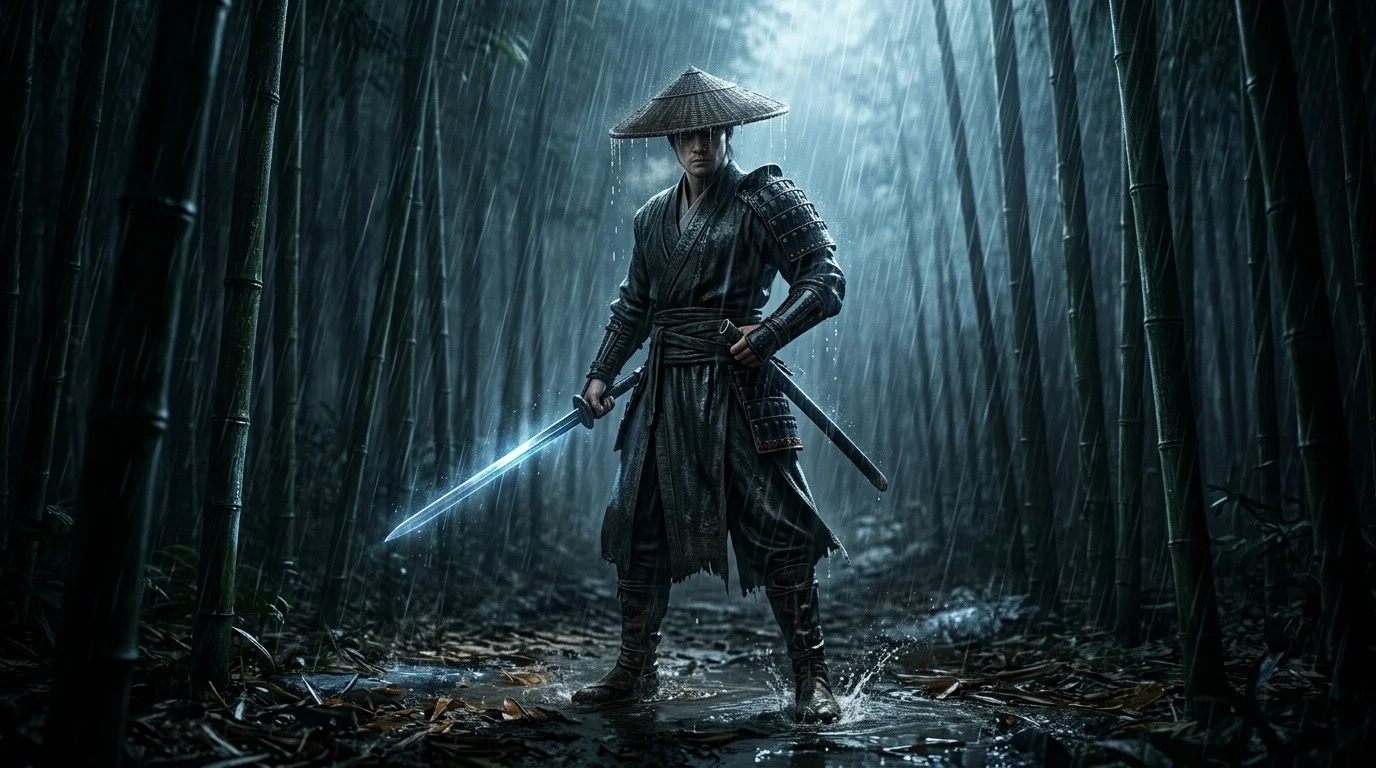
Powered by advanced rendering technology, the game is a masterclass in environmental design. Bamboo forests sway dynamically in the wind, rain slickens the cobblestone streets of bustling capitals, and the lighting during golden hour gives the entire game a cinematic, painted quality. The character models are highly detailed, featuring flowing robes and intricate armor that react realistically to physics.
The audio landscape is equally impressive. The sweeping, orchestral soundtrack utilizes traditional Chinese instruments like the erhu and guzheng to ground you in the era. Combat sounds are punchy and sharp—the clash of steel on steel during a frantic parry sequence is incredibly satisfying. Even ambient noise, like the chatter of market vendors or the distant roar of a waterfall, helps cement Jianghu as a tangible place.
3. Wuxia Combat Mastered
The combat is fast, fluid, and heavily relies on timing, parrying, and positioning, drawing clear inspiration from titles like Sekiro: Shadows Die Twice but injecting it with over-the-top wuxia flair. You aren't just swinging a sword; you are performing elaborate, gravity-defying martial arts.
You can run across the surface of a lake, scale sheer cliffs using Qinggong (lightfoot abilities), and even catch enemy arrows mid-flight to redirect them back at archers. It feels empowering from the very first hour. Combining different martial arts styles—like mixing a fiery palm strike with a swift dual-blade flurry—allows for a level of combat expression that is rarely seen in multiplayer games.
Pro Tip: Master the Qinggong stamina management early. Using your lightfoot abilities in combat allows you to close massive gaps instantly, turning ranged attackers into easy prey.
4. Monetization Analysis: A Shockingly Fair Model
In the current landscape of gacha-heavy free-to-play games, Where Winds Meet is an absolute anomaly. The biggest surprise is its shockingly fair monetization system. There is no pay-to-win weapon banner. There is no character gacha locking powerful allies behind a slot machine.
The cash shop is almost entirely cosmetic—outfits, weapon skins, mount accessories, and housing decorations. Furthermore, the game offers plenty of incredible cosmetics achievable purely through gameplay, meaning you don't feel like the "cool" gear is exclusively locked behind a paywall. You can easily sink 100 hours into the story, exploration, and crafting without ever feeling a sliver of pressure to spend a dime. It feels more like a premium AAA single-player game than a live-service title.
5. The Endgame and Community
Once you finish the primary storyline, the endgame opens up into a mix of challenging PvE dungeons, large-scale faction wars, and deep life-simulation mechanics. Players who enjoy PvP can participate in massive territory control battles, using siege weapons and coordinated martial arts strikes to claim cities for their alliances.
For those who prefer a peaceful existence, the endgame can literally just be running a successful tavern, building a sprawling estate, or becoming the realm's premier blacksmith. The community is heavily encouraged to interact through the game's robust economy and profession systems. Because doctors need to heal sick players, and bodyguards can be hired to protect merchants, there is a natural, organic social structure that forms on every server.
6. Pros and Cons Summary
Pros:
- Breathtaking visuals and deeply immersive world design.
- Classless system offering incredible freedom in combat and professions.
- Exhilarating wuxia combat that makes you feel like a martial arts master.
- Extremely fair monetization model with zero pay-to-win mechanics.
- Seamless blend of action RPG combat and deep life-sim elements.
Cons:
- The sheer amount of systems and mechanics can be overwhelming for beginners.
- UI and menus are occasionally clunky and difficult to navigate.
- Large-scale PvP battles can suffer from performance drops on older hardware.
7. The Verdict
Where Winds Meet sets a completely new standard for open-world wuxia games, and frankly, for free-to-play games in general. It blends deep, challenging combat with intricate life-sim mechanics perfectly, creating a world where your choices genuinely matter.
Whether you want to be a legendary swordsman wandering the countryside, a ruthless assassin working for the highest bidder, or simply a humble merchant selling wares in the capital, this game accommodates your fantasy. If you enjoy open-world exploration, rich historical settings, and martial arts cinema, this is a phenomenal experience that demands your attention.