

1. Visuals and Core Gameplay
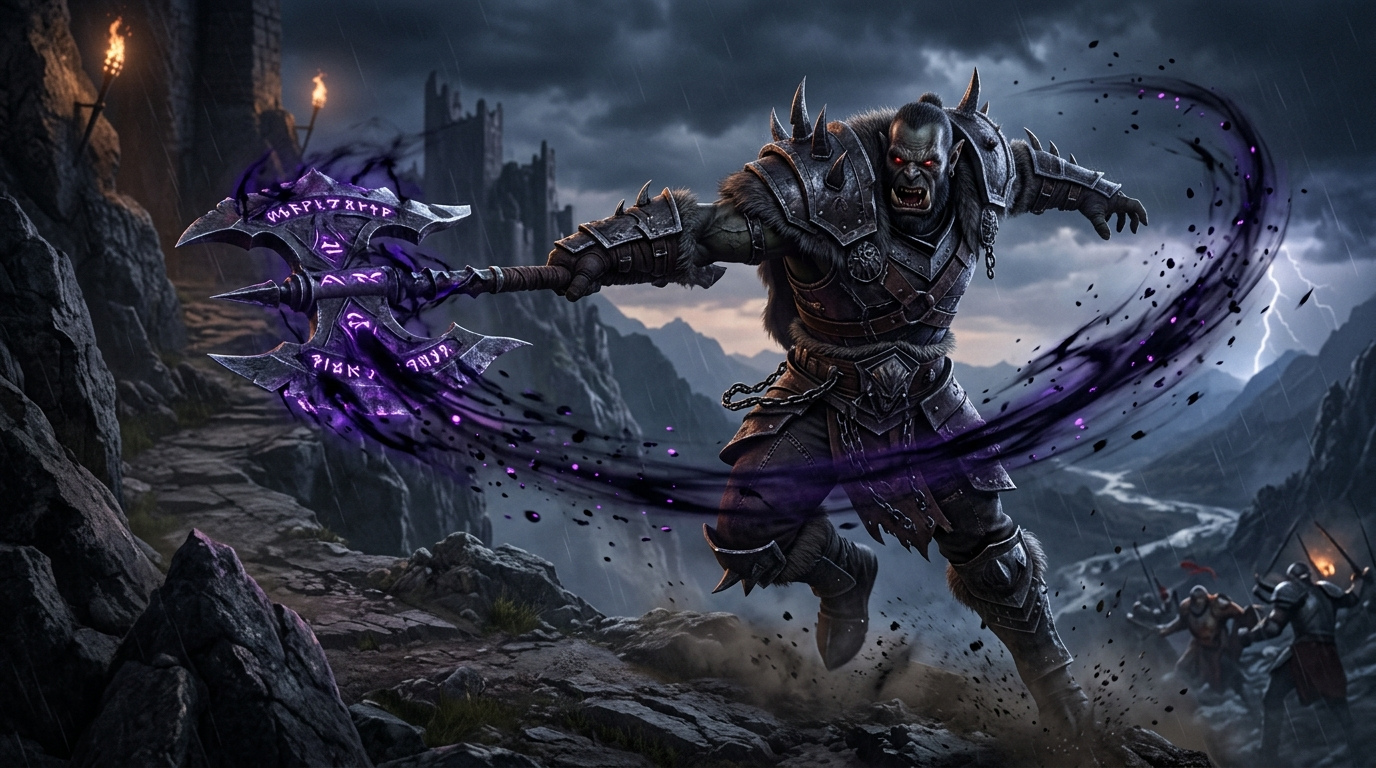
Despite the endless memes and aggressive YouTube sponsorships, RAID: Shadow Legends actually possesses fantastic art direction. The dark fantasy aesthetic, gritty character designs, and highly detailed 3D champion models still hold up remarkably well against newer, flashier releases in the mobile space. Plarium clearly invested heavily in the visual fidelity of their roster, ensuring that legendary champions look like true powerhouses adorned in glowing armor and menacing weaponry.
The core gameplay loop is straightforward but deeply engaging for fans of the genre: building specialized teams of champions, gearing them with carefully curated artifacts, and grinding dungeons for marginally better stats to tackle harder content. The combat is strictly turn-based and heavily reliant on understanding mechanics like buffs, debuffs, speed tuning, and turn meter manipulation. It is less about in-the-moment reflexes and more about spreadsheet-level preparation and synergy building.
Pro Tip: Speed is the most important stat in the game. A champion that hits hard is useless if the enemy team takes three turns before you can even swing your sword. Always prioritize Speed boots on almost every champion you build.
2. Graphics and Sound Design
As mentioned, the graphics are a strong point. The animations for ultimate abilities are suitably flashy without being overly long, and the various dungeon environments—from the lava-filled Fire Knight's Castle to the frozen peaks of the Ice Golem—provide good visual variety.
The sound design, however, is largely forgettable. The orchestral tracks are generic fantasy fare, and the sound effects of swords clashing and magic exploding are standard. Most players end up playing RAID with the sound muted while they watch television or listen to podcasts, which fits the game's intended playstyle perfectly.
3. Monetization Analysis: The Gacha and the Grind
Here is the harsh truth that no amount of polish can hide: RAID is incredibly stingy and aggressively monetized. The pull rates for Legendary champions are notoriously low (a baseline of 0.5% from standard shards), and there is no hard pity system to guarantee the specific character you want.
Furthermore, you will be bombarded with pop-up offers literally every single time you log into the game. The shop is filled with confusing, rotating "deals" designed to induce FOMO (Fear Of Missing Out). The game monetizes almost every aspect of progression, from the energy required to run dungeons, to the silver needed to upgrade gear, to the books required to upgrade champion skills.
However, a massive caveat must be added: the game gives you a top-tier starter champion (usually Kael) and enough free resources to clear the entire early and mid-game completely free-to-play, provided you have immense patience. You do not need to spend money to progress, but spending money certainly makes the multi-month grind shorter.
Pro Tip: Never pull your Ancient, Void, or Sacred shards outside of a "2x Event." Plarium runs regular events that double the chances of pulling Epic and Legendary champions. Hoard your shards until these events go live.
4. The Endgame and Community
The endgame in RAID is all about marginal gains and highly specialized team compositions. You will find yourself building teams specifically designed to counter one specific boss mechanic in the Doom Tower or the Demon Lord Clan Boss. The introduction of the Hydra Clan Boss added a massive layer of complexity, requiring players to build three completely separate teams to tackle shifting boss heads with unique abilities.
The community is arguably RAID's greatest asset. Because the game is so heavily reliant on strategy and synergy, a massive ecosystem of content creators, wiki writers, and Discord servers exists to help players optimize their teams. If you pull a new champion and don't know what to do with them, there are likely a dozen 20-minute YouTube guides breaking down their optimal gear and masteries.
5. Pros and Cons Summary
Pros:
- Excellent dark fantasy art direction and highly detailed character models.
- Deep, complex team-building mechanics that reward strategic thinking.
- A massive, helpful community with endless resources and guides.
- Runs perfectly as a background "second screen" game.
Cons:
- Extremely aggressive, in-your-face monetization and constant pop-up ads.
- Atrocious gacha pull rates with no targeted pity system.
- The late-game grind requires an unbelievable time commitment or heavy spending.
- PvP (Arena) is often dominated by spenders and massive power creep.
6. The Verdict
RAID: Shadow Legends is the ultimate "second screen" game. It's explicitly designed to be auto-farmed in the background while you watch Netflix, work from home, or play something else.
If you are a player who loves long-term progression, enjoys theory-crafting team synergies, and treats gear farming like a giant puzzle to solve, it remains highly addictive even in 2026. However, if you hate aggressive microtransactions, despise low-probability gacha mechanics, or prefer active gameplay over passive management, you should absolutely look elsewhere. RAID knows exactly what it is, and it makes no apologies for it.